
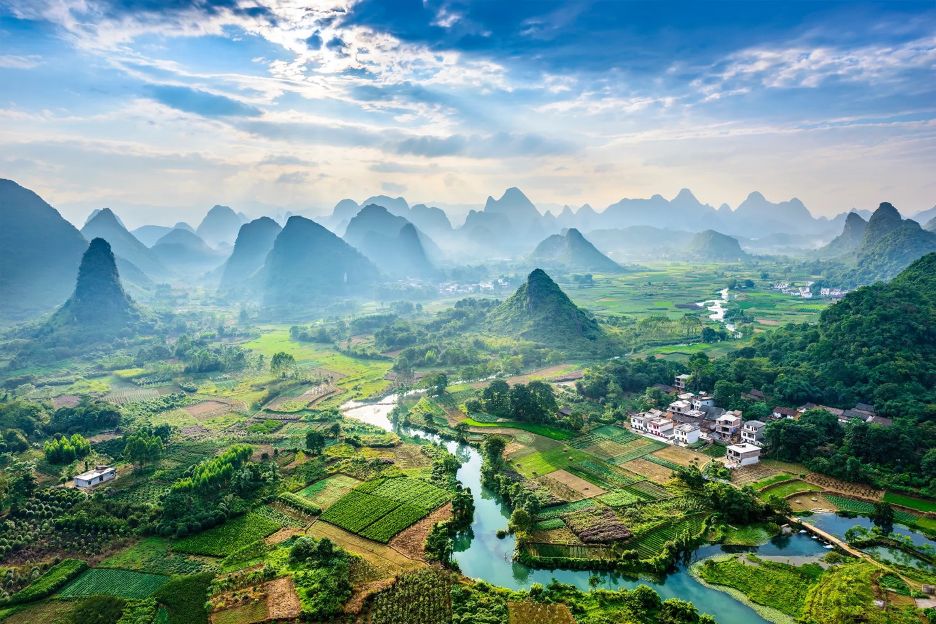
Mountain cities operate on a different tempo. Altitude alters not just climate but perspective, sharpening light, compressing distance, and placing daily life in direct conversation with landscapes that predate civilization. For those who gravitate toward alpine living—whether as homeowners or frequent visitors—the appeal extends well beyond scenery. These alpine cities offer a deliberate balance: cultural sophistication paired with immediate access to terrain that demands engagement. A morning call can give way to an afternoon descent; a quiet dinner might follow a ridgeline hike that begins just beyond the front door.
There is also a recalibration that happens at elevation. Weather shifts quickly, seasons feel more defined, and the sheer scale of surrounding peaks has a way of reducing urgency. These environments reward attentiveness—reading snowpack, navigating trails, or simply observing how light moves across a valley over the course of a day. That awareness, more than anything, is what defines the mountain lifestyle found in many alpine cities.
The world’s most compelling mountain cities understand this balance. They are not remote outposts, but fully realized places with design, cuisine, and infrastructure that support year-round living. Yet they remain grounded in the landscapes that define them. Below are seven of the most exquisite alpine cities worldwide.
Zermatt — Switzerland
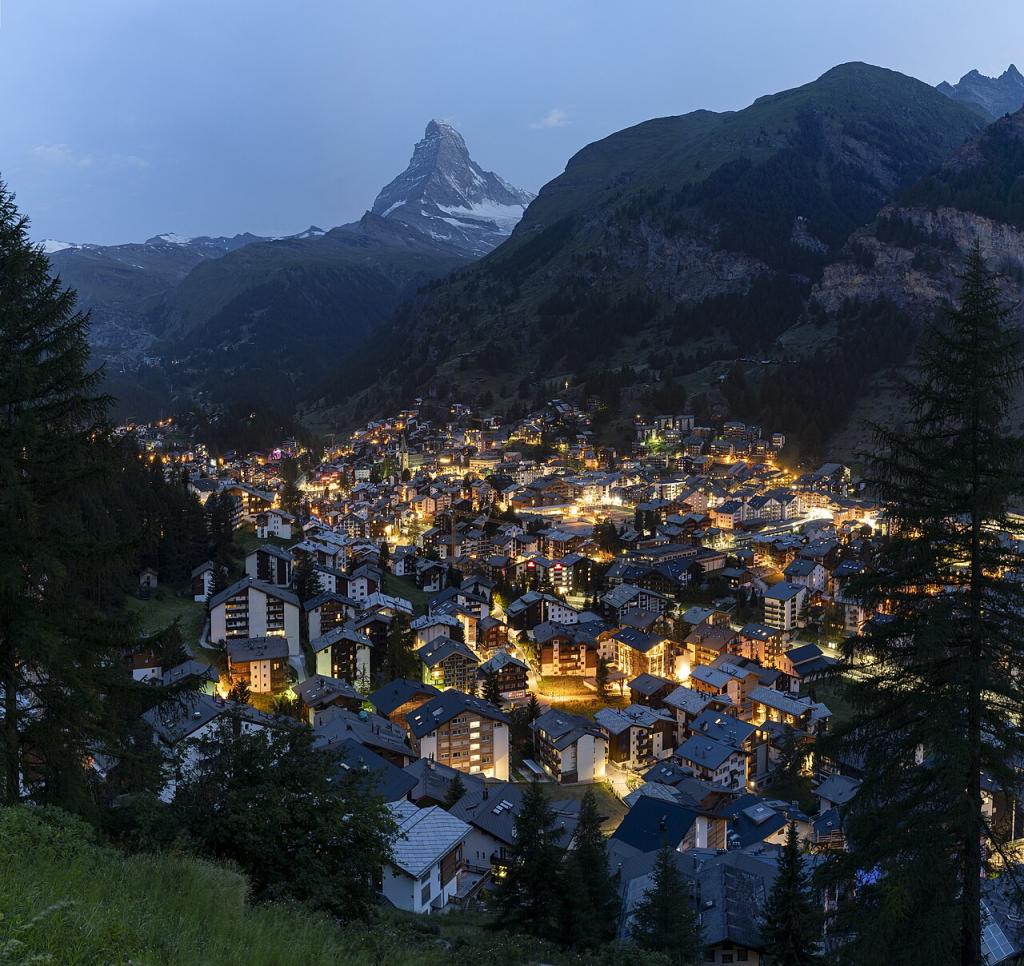
Zermatt is defined by its relationship to the Matterhorn, one of the most iconic peaks in the world. The town is car-free, relying on electric vehicles and horse-drawn carriages, which creates a distinctly calm and intentional atmosphere.
Its glacier-backed ski terrain allows for extended seasons, while summer reveals expansive hiking routes with panoramic Alpine views. Zermatt stands out for its precision—its infrastructure, hospitality, and environmental stewardship are all executed at an exceptional level.
Chamonix — France
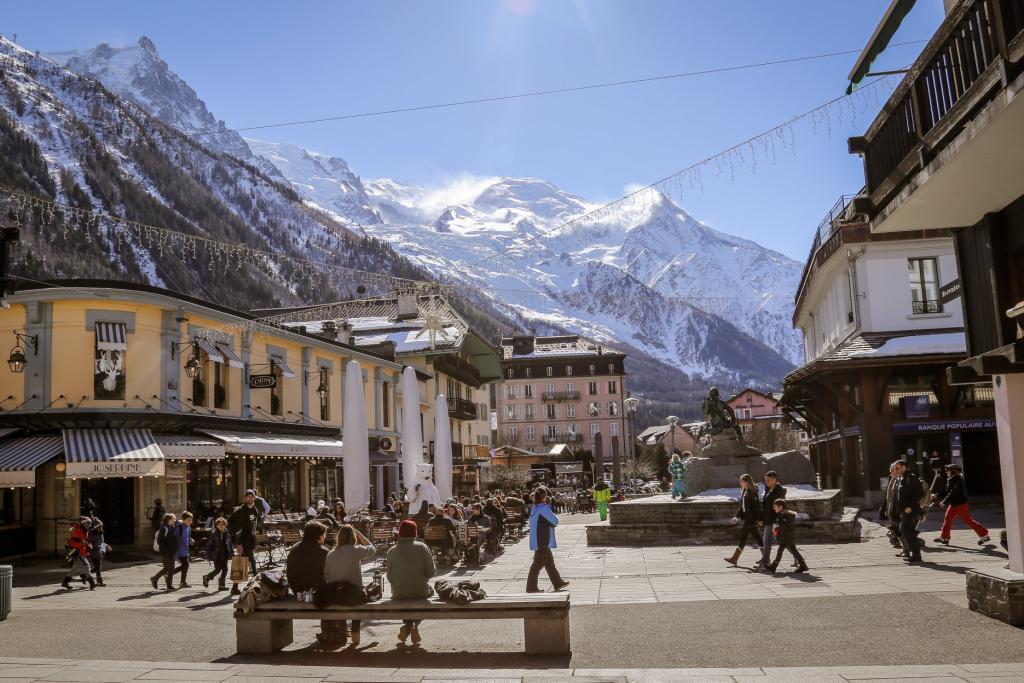
Situated at the base of Mont Blanc, Chamonix remains one of the most historically significant alpine cities. It hosted the first Winter Olympics in 1924 and continues to attract serious skiers and mountaineers.
Chamonix is less polished than some Swiss resorts, but that lends it credibility. It is a working mountain town where terrain dictates pace. The Vallée Blanche, a renowned off-piste route, underscores the landscape’s technical nature. Its international community and direct access to extreme terrain make it particularly compelling for experienced outdoor enthusiasts who seek out alpine cities for this unique combination.
Aspen, Colorado — United States
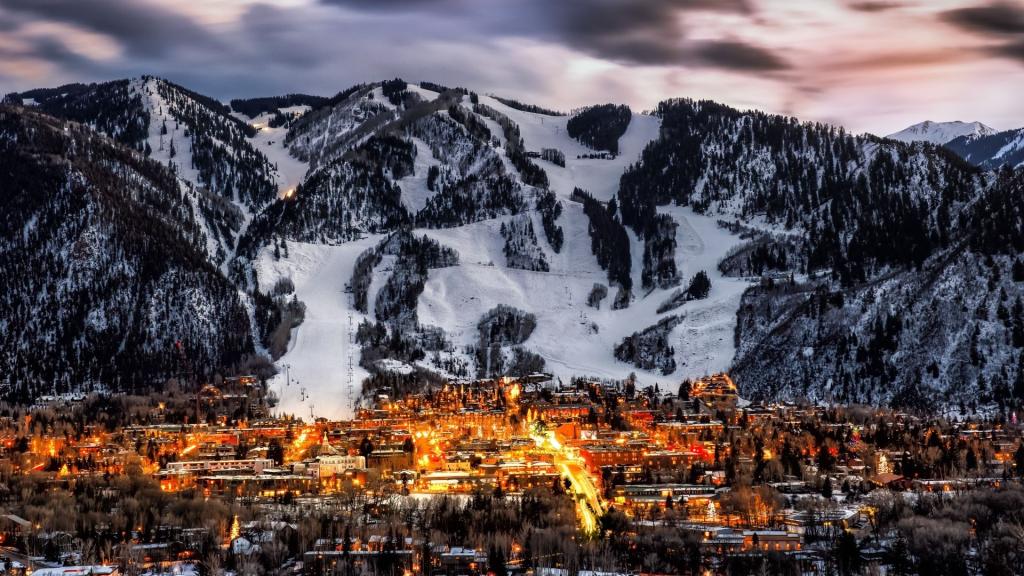
Aspen remains one of the most established alpine destinations in North America. Originally a silver mining town, it has evolved into a sophisticated mountain enclave without losing its connection to the surrounding terrain. Four major ski areas—Aspen Mountain, Snowmass, Aspen Highlands, and Buttermilk—anchor its winter identity, while summer brings extensive hiking, cycling, and cultural offerings.
The town’s architecture reflects its layered history, blending preserved Victorian structures with contemporary mountain design. Cultural institutions, including the Aspen Art Museum and the Aspen Music Festival, reinforce its reputation as more than a seasonal destination. Aspen’s appeal lies in its ability to combine serious outdoor access with a highly refined social and cultural environment. In fact, many people consider Aspen as one of the premier alpine cities in the United States.
Innsbruck — Austria
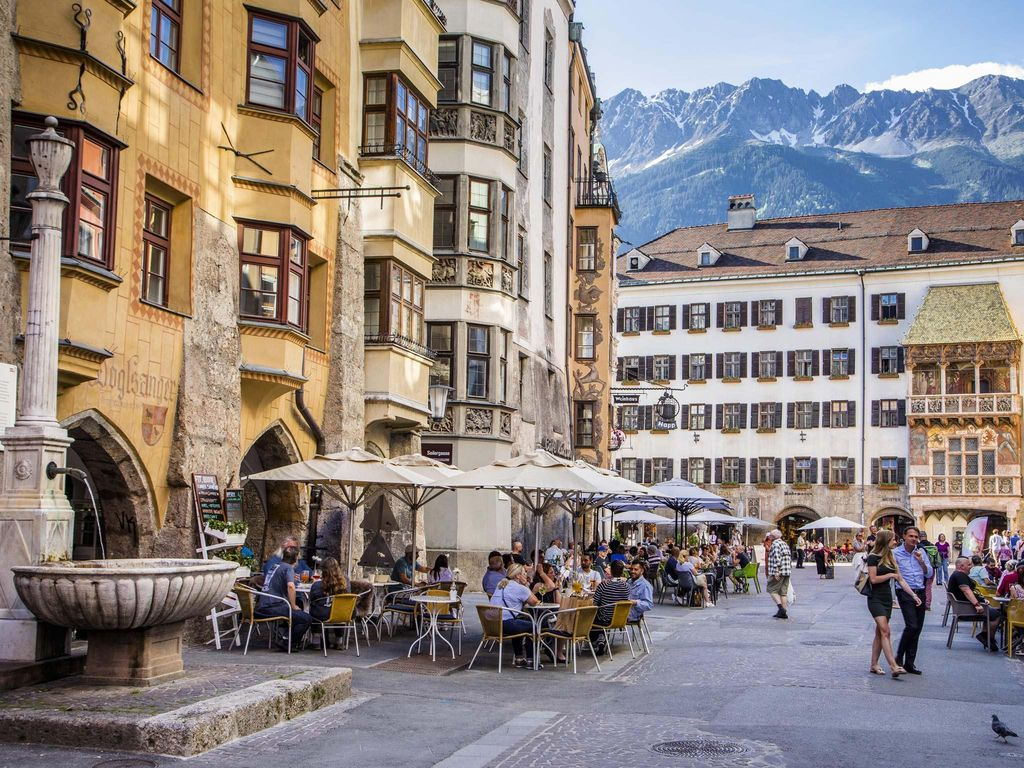
Innsbruck offers a rare combination: a fully functioning urban center embedded within an alpine environment. As the capital of Tyrol, it offers cultural institutions, historic architecture, and a strong culinary scene, as well as immediate access to the mountains.
The Nordkette cable car connects the city directly to high-altitude terrain within minutes. Landmarks such as the Golden Roof anchor its historic core. Innsbruck appeals to those who want to integrate alpine recreation into daily urban life without compromise.
Banff — Canada
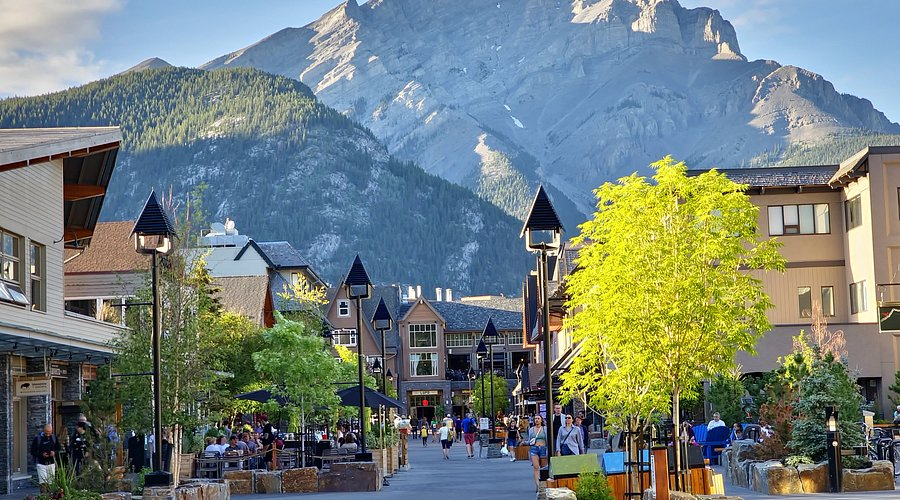
Banff is situated within Banff National Park, one of the most protected and visually striking landscapes in North America. Towering peaks, glacial lakes, and dense forests define its surroundings.
Development is carefully controlled to preserve the integrity of the environment. Banff Avenue serves as the town’s central spine, offering a mix of lodges, restaurants, and outfitters’ shops. Nearby landmarks such as Lake Louise extend their reach into even more dramatic terrain. Banff is particularly appealing to those who prioritize access to preserved wilderness.
Queenstown — New Zealand
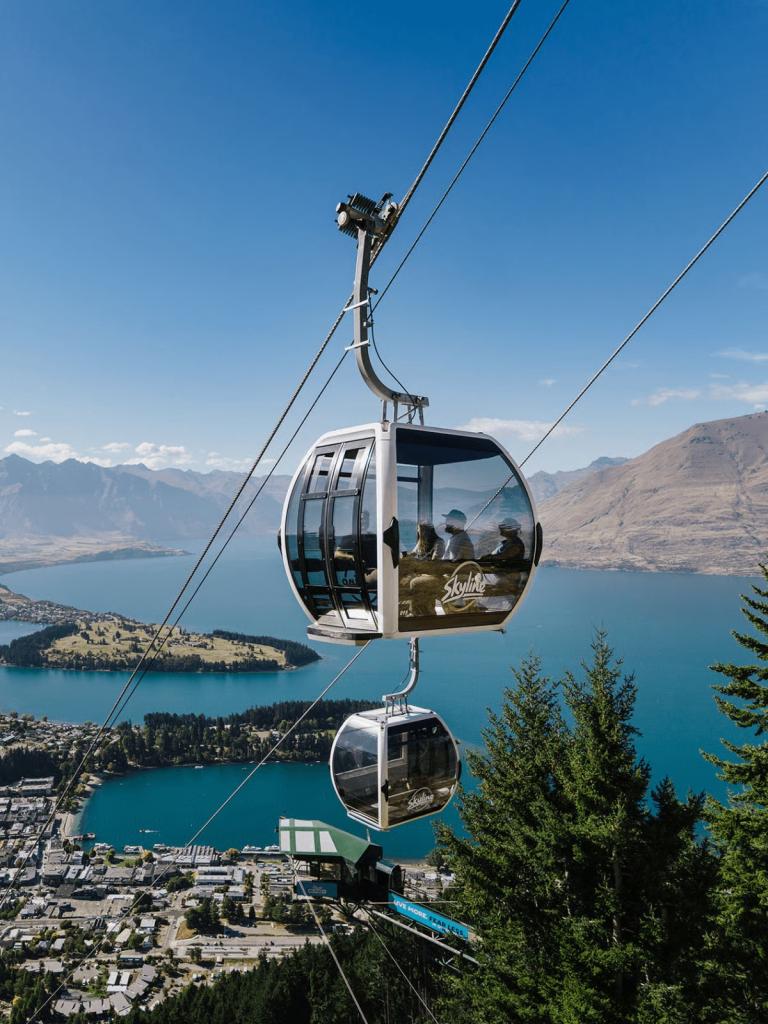
Queenstown’s alpine setting is defined by its position along Lake Wakatipu, framed by The Remarkables mountain range. This combination of water and elevation broadens its recreational appeal.
While skiing is central in winter, the city is equally known for mountain biking, hiking, and adventure sports year-round. Its infrastructure supports a steady flow of international visitors, yet it maintains a strong connection to its landscape. Queenstown offers a more contemporary, energetic interpretation of mountain living and is renowned among alpine cities of the Southern Hemisphere.
Cortina d’Ampezzo — Italy
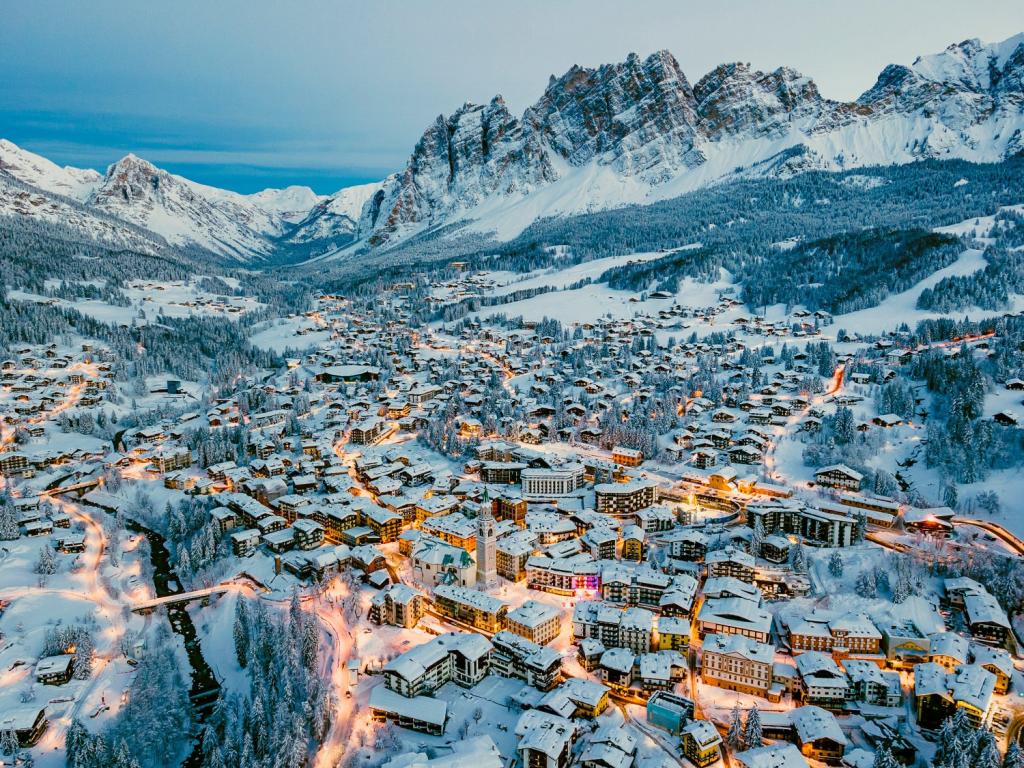
Cortina d’Ampezzo sits within the Dolomites, a UNESCO World Heritage Site known for its distinctive limestone peaks. The mountains shift in color throughout the day, creating a dynamic visual backdrop.
The town blends high-level skiing with a distinctly Italian lifestyle. Boutiques, cafés, and social rituals such as the evening promenade are central to daily life. Cortina recently hosted the Winter Olympics and continues to attract an international audience. Its appeal lies in its balance of technical terrain and refined cultural experience.
These alpine cities demonstrate that elevation is not a constraint but a framework for living with greater awareness. Each offers a different balance of access, culture, and environment, yet all share a commitment to proximity—placing daily life within reach of the mountains. For those drawn to high-altitude living, the appeal is not simply escape, but alignment: a way of structuring life around movement, clarity, and the enduring presence of the landscape. For more on living your best mountain life, visit Mountain Homes Lifestyles.