

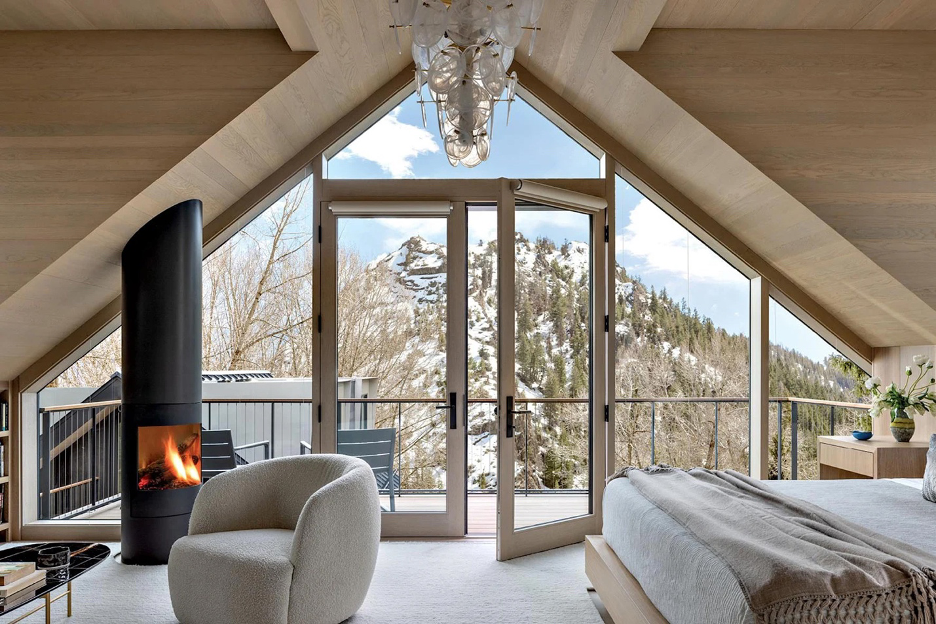
Rustic mountain homes are rooted in permanence—stone foundations, timber beams, and landscapes that change slowly over time. Yet the most successful mountain interiors feel anything but static. Whether tucked into the Upper East’s Adirondacks or perched along the Blue Ridge in the Mid-Atlantic and Southeast, mountain homes must respond to dramatic seasonal shifts. Similarly, homes nestled in the Northern Rockies or overlooking alpine terrain in Colorado, the Pacific Northwest, or California’s Sierra Nevada require the same adaptability. Snow-heavy winters, bright high-altitude summers, and shoulder seasons that arrive quickly demand interiors that can flex without constant renovation.
Keeping a rustic mountain home fresh year-round is less about redecorating and more about building in adaptability. Thoughtful color contrast, material selection, and interchangeable layers allow a house to move naturally from airy spring to cozy winter. You can apply these elements without sacrificing architectural integrity. Savvy homeowners focus on elements that work hard in every season—finishes that shift with light, textures that invite warmth or restraint, and outdoor spaces that remain useful even as temperatures change. The goal is not trend-chasing but longevity. Instead, interiors should feel intentional, grounded, and in tune with the surrounding landscape, no matter the month on the calendar.
Use High-Contrast Color Pairings That Transition Seamlessly
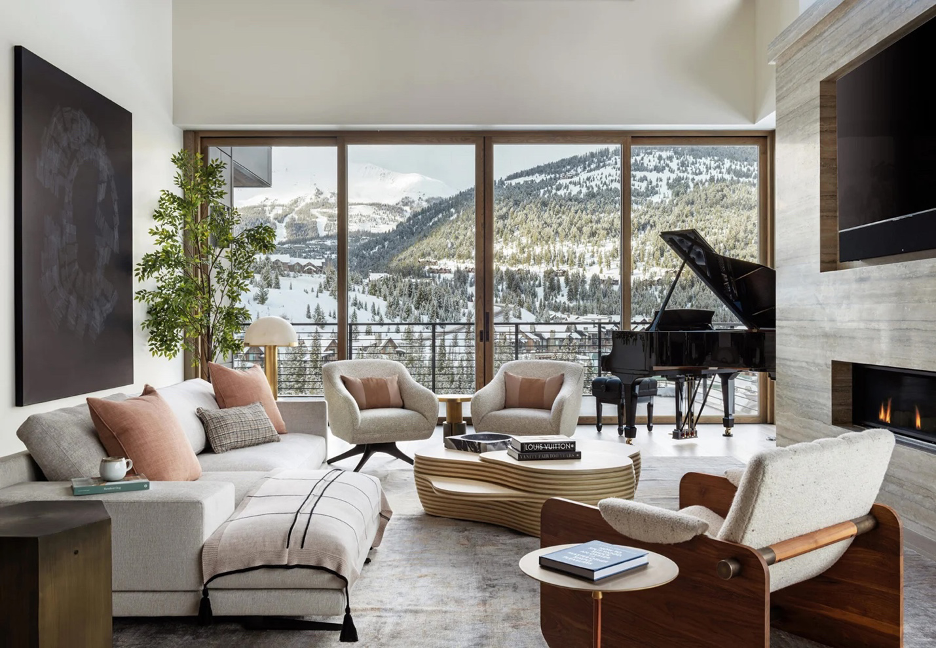
High-contrast color palettes form the backbone of a seasonally flexible mountain home. Deep charcoals, soft ivories, warm woods, and inky blues provide a neutral framework. This palette works across climates and regions—from New England mountain lodges to Western alpine retreats.
In living rooms, pair light walls with darker ceiling beams or stone fireplaces to create visual balance. During spring and summer, contrast feels crisp when layered with pale linens, lighter woods, and reflective surfaces. However, in fall and winter, the same palette becomes cozy with the addition of darker textiles and ambient lighting. Kitchens benefit from this approach as well. For example, light cabinetry contrasted with dark soapstone counters or blackened hardware feels timeless and adaptable. High contrast ensures that seasonal accents can rotate without clashing, making it easier to refresh rooms without structural changes.
Bring the Outdoors Inside to Mirror Seasonal Shifts
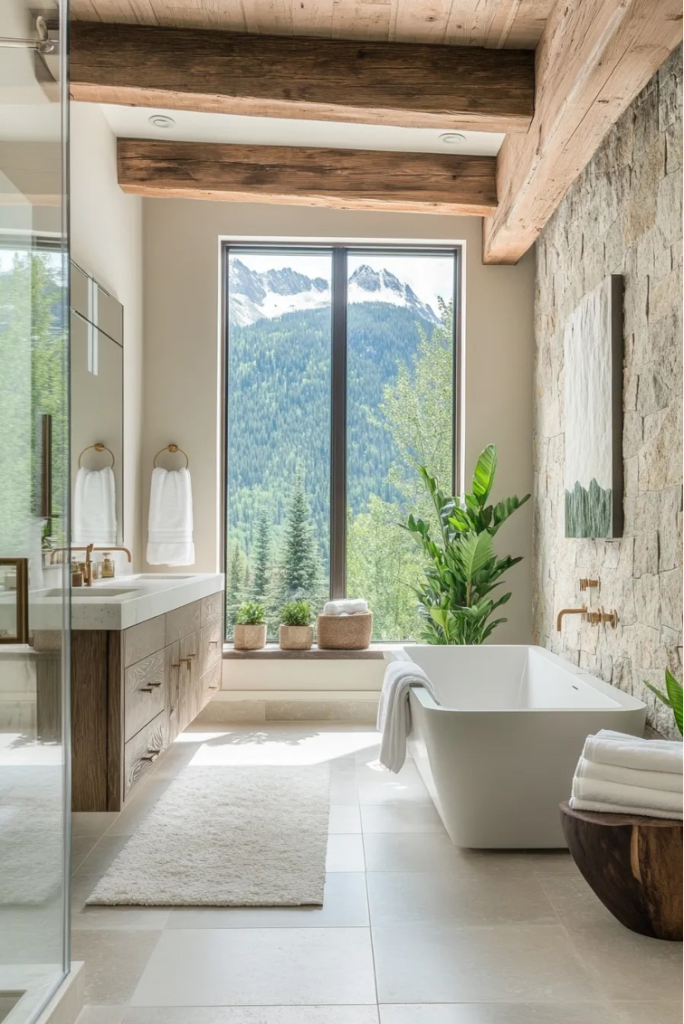
Mountain homes benefit from interiors that echo what’s happening just beyond the windows. Incorporating natural elements indoors keeps spaces connected to the landscape. This is true whether you’re in the Pacific Northwest’s forested mountains or California’s high desert ranges.
In warmer months, emphasize greenery, wildflower arrangements, and lighter woods in dining areas, kitchens, and bathrooms. In colder seasons, swap these for dried branches, pinecones, stone vessels, and wool-lined baskets in entryways and bathrooms. Natural materials—stone, leather, reclaimed wood—remain constant, while color accents subtly shift with the environment. Lighting also plays a role. For example, maximize daylight with sheer window treatments in summer. Then, layer in table lamps and wall sconces during the darker months to create warmth without altering the architecture.
Rotate Textures to Capture Seasonal Atmosphere
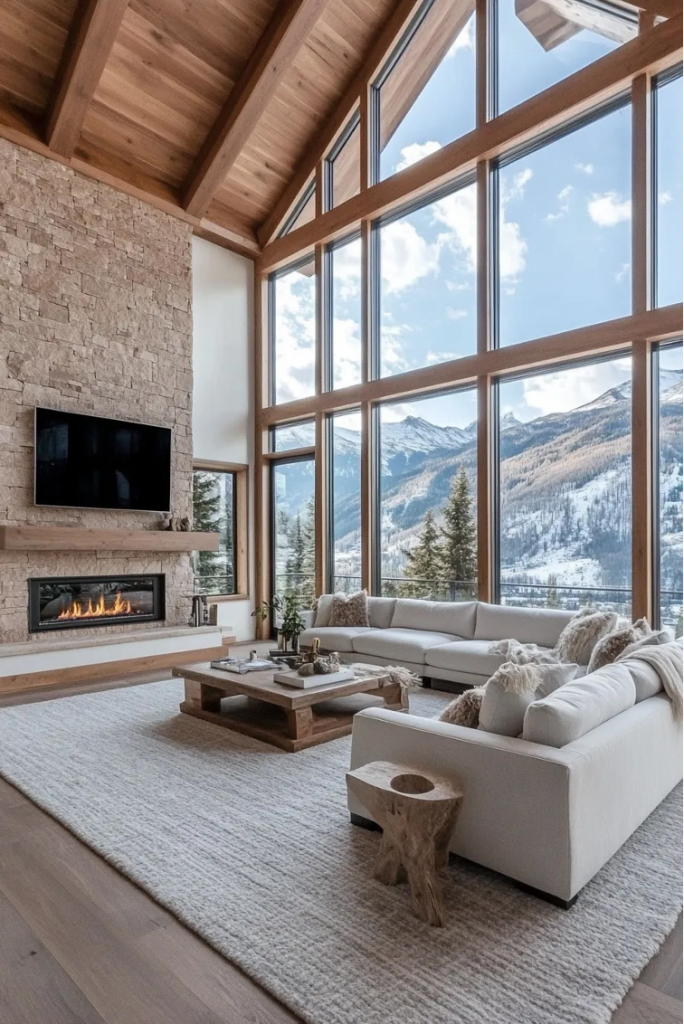
Texture is one of the most effective tools for seasonal transformation. Instead of changing furniture, rotate what touches the body—throws, rugs, bedding, and upholstery accents.
Bedrooms in Northern and Western mountain regions benefit from crisp cottons and lightweight quilts in summer. In winter, replace these with flannel sheets, wool blankets, and faux fur accents. Living spaces feel fresh when jute or flatweave rugs are swapped for thicker wool styles as temperatures drop. In bathrooms, textured towels and bathmats—linen in warmer months, plush terry in colder ones—signal seasonal comfort without visual clutter. Texture allows homeowners to adjust mood and warmth without compromising the rustic foundation of the space.
Shift Metals and Decor Accents to Match the Season
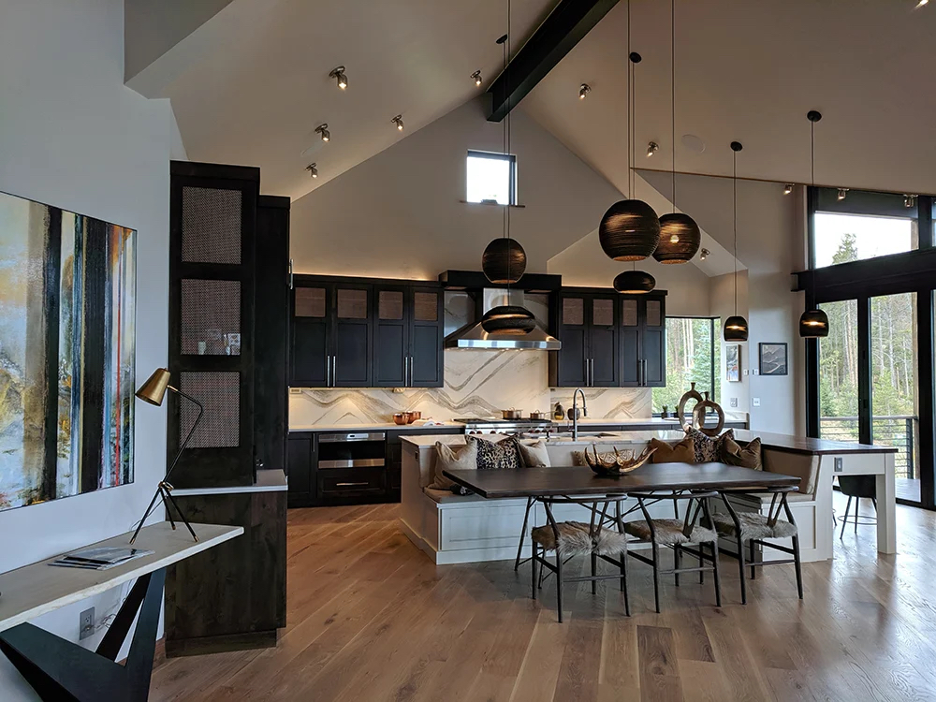
Metals and hardware may seem permanent, but smaller accessories and accent pieces offer flexibility. In fall and winter, warm metals such as copper, brass, and aged gold bring richness to kitchens, bathrooms, and dining spaces. This concept is especially true in mountain regions with long, cold seasons, such as the Upper East and the Rockies.
During spring and summer, cooler finishes feel appropriate. Brushed nickel, stainless steel, and clear glass reflect light and keep rooms feeling open. This is particularly important in California and the Southeast, where summers are longer. Consider seasonal swaps like cabinet pulls on open shelving, barware, mirror frames, or lighting accents. These subtle changes refresh the home’s tone without requiring major updates.
Adapt Outdoor Living Spaces for Year-Round Use
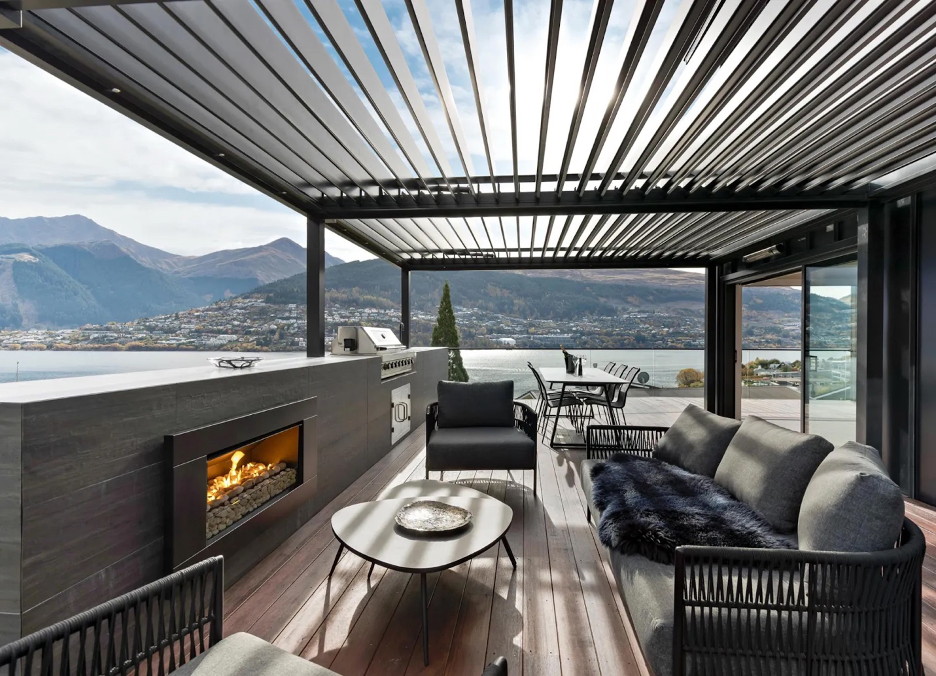
Outdoor spaces are essential extensions of mountain homes and should evolve with the seasons. In warmer months, patios and decks in the Mid-Atlantic, Southeast, and Pacific Northwest benefit from lightweight furniture, breathable cushions, and flexible shade solutions. Neutral bases allow seasonal textiles and greenery to rotate easily.
As temperatures cool, shift focus to warmth and shelter. Add fire pits, outdoor heaters, layered blankets, and wind-blocking screens to keep spaces usable well into fall and winter. Covered porches, common in many mountain regions, can accommodate seasonal lighting and heavier seating to maintain comfort even in snow-prone areas. A well-designed outdoor space ensures that the mountain lifestyle remains immersive year-round.
Use Layered Lighting to Respond to Seasonal Light Changes
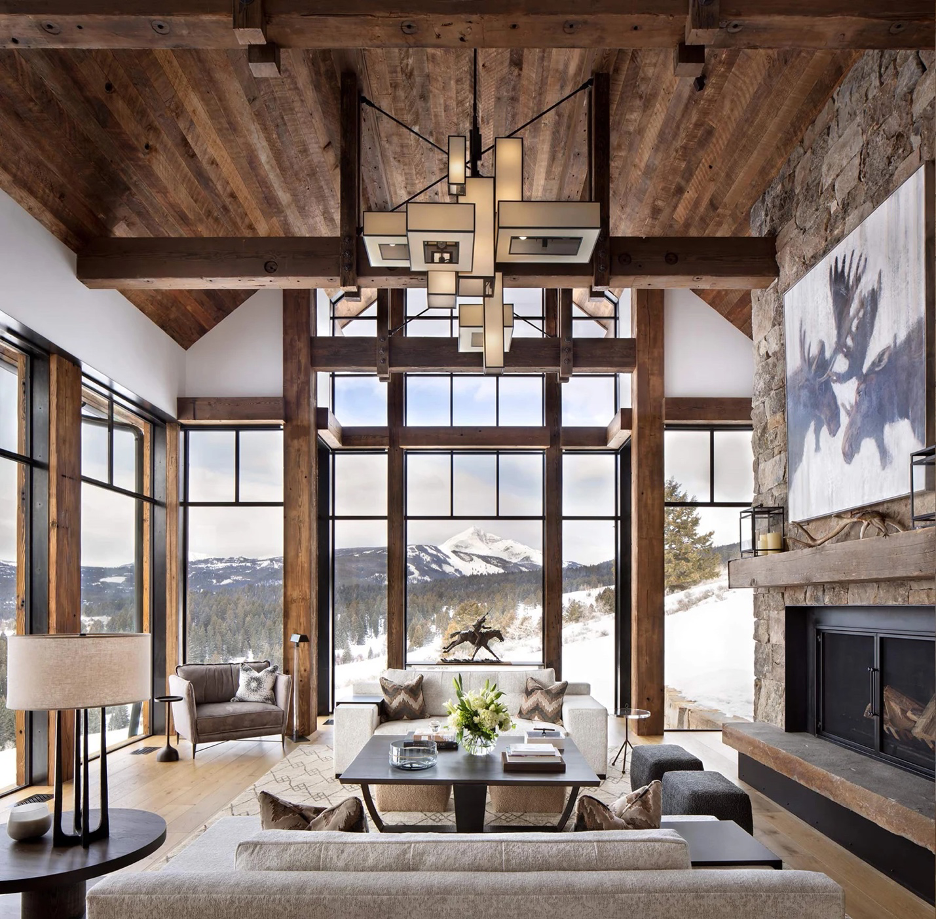
Lighting is one of the most powerful—and often underused—techniques you can apply to keep your mountain home looking fresh all year round. Like every other design consideration, your lighting should adapt to the seasons. Start with ambient lighting with soft, overhead fixtures or chandeliers positioned in living rooms, kitchens, and dining areas to provide a foundational glow. These should be on dimmers so you can lower the intensity on bright spring evenings or boost warmth on long winter nights. In bedrooms and bathrooms, warmer overhead light (around 2700K) creates a cozy retreat in colder months, while adaptive fixtures with adjustable temperature and brightness help keep spaces light and cheerful in spring and summer.
Next, add task lighting where you need it most: under-cabinet LEDs in the kitchen, adjustable sconces flanking bathroom mirrors, and reading lamps in bedrooms. These focused sources elevate functionality without overwhelming a space—especially helpful in winter when natural light is limited. Lantern-style pendants or fixtures with amber glass accentuate rustic textures and add warmth, while cooler, dimmable options keep spaces feeling bright and refreshing in warmer seasons.
Finally, use accent lighting to highlight architectural features like stone fireplaces, exposed beams, or art. Uplighting on timber elements and LED strips on shelving add depth and drama, enhancing visual interest and responding to shifting daylight. Outdoor entry lights, porch lanterns, and path lighting with seasonal bulbs help transition exterior spaces from summer gatherings to cozy winter retreats.
A rustic mountain home thrives when its design respects permanence while allowing for change. By building a foundation of contrast, natural materials, layered textures, adaptable finishes, responsive outdoor spaces, and strategic lighting, homeowners can maintain cohesion while embracing seasonal variation. These strategies honor regional differences—from the snow-laden Northern mountains to California’s sunlit peaks—without sacrificing comfort or character. Thoughtful adaptability ensures your mountain home remains beautiful and deeply livable in every season. For more on living your best mountain life, visit Mountain Homes Lifestyles.