

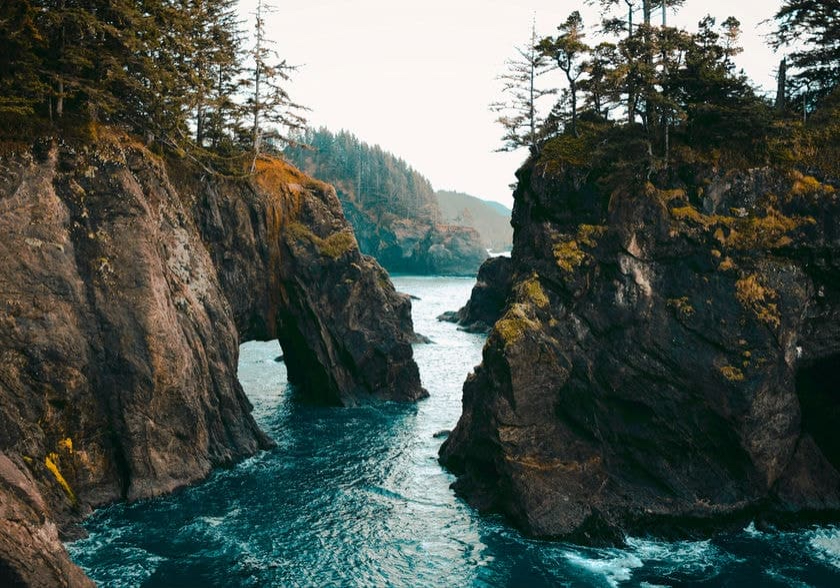
When mountains meet the sea, landscapes become more dynamic, architecture feels more site-specific, and outdoor culture takes on a different rhythm entirely. For homeowners who split their time between coastal properties and mountain retreats, the appeal is obvious. This is because dramatic elevation changes, salt air, dense forests, exposed cliffs, and panoramic water views all exist within the same destination.
Across the United States, a select group of state parks—and a few state-managed coastal preserves that rival national parks in stature—deliver that rare combination exceptionally well. These are places where hiking trails descend toward tide pools. Meanwhile, evergreen ridgelines overlook surf breaks. Also, scenic drives alternate between alpine overlooks and maritime headlands. They are also deeply regional landscapes, reflecting the geography and culture of their corners of the country. You see this from the granite coastlines of New England to the volcanic bluffs of the Pacific Northwest and the rugged Pacific edges of California.
For travelers who appreciate both mountain living and oceanfront environments, these parks offer an unusually complete experience. The following seven destinations, presented in no particular order, are among the most picturesque and widely admired places in the United States. Here, mountains and sea coexist in one remarkable setting.
Acadia National Park — Bar Harbor, Maine | Upper East
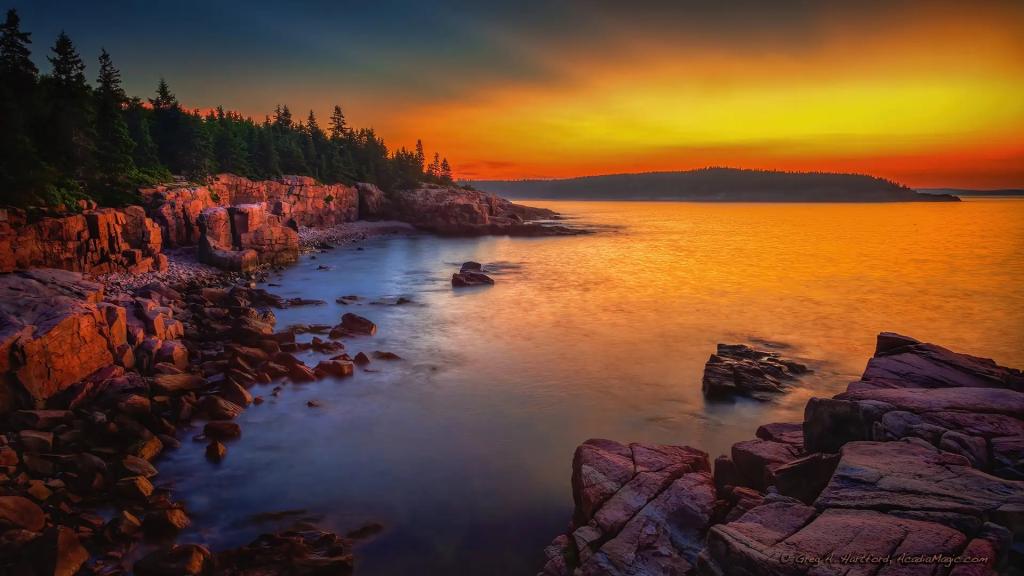
Although federally managed, Acadia defines the mountain-meets-ocean experience on the East Coast. Located along the rugged coast of Maine near Bar Harbor, the park combines granite peaks, evergreen forests, glacier-carved lakes, and the North Atlantic shoreline in a remarkably compact footprint. Cadillac Mountain remains its signature landmark, drawing visitors before sunrise for expansive views over Frenchman Bay. Elsewhere, Thunder Hole, Otter Cliffs, Jordan Pond, and the Schoodic Peninsula showcase the region’s dramatic coastal geology. The appeal lies in the balance: refined New England coastal towns sit minutes from steep hiking terrain and exposed maritime landscapes. For mountain and coastal homeowners alike, Acadia represents one of the country’s most sophisticated outdoor environments.
Cape Henlopen State Park — Lewes, Delaware | Mid-Atlantic
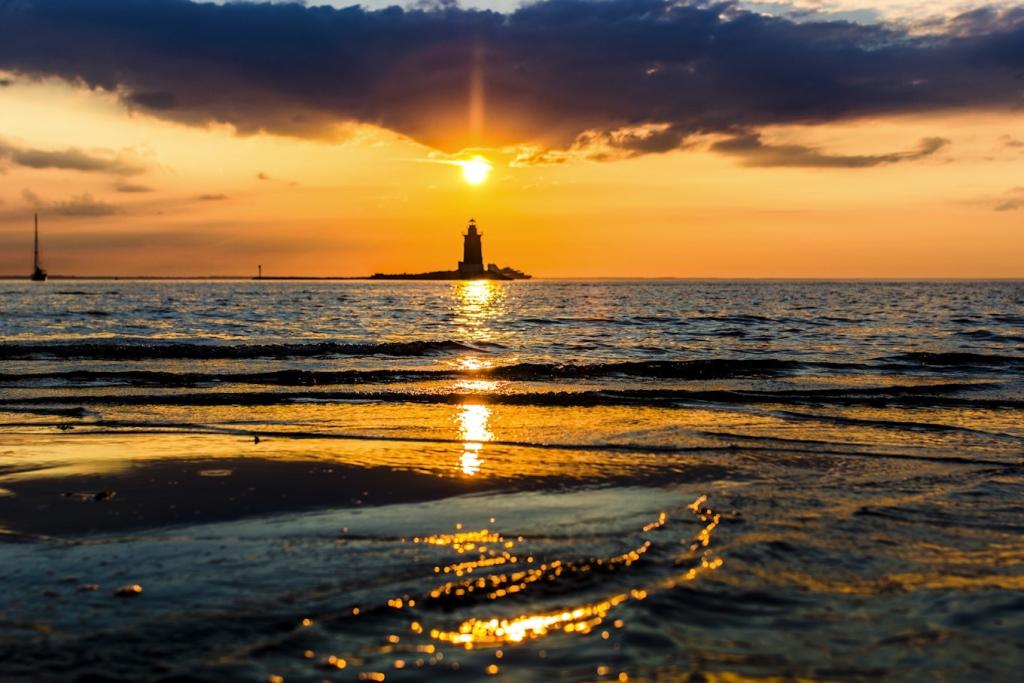
At the point where the Delaware Bay meets the Atlantic Ocean, Cape Henlopen State Park combines elevated dunes, maritime forest, wide beaches, and historic coastal defenses into one of the Mid-Atlantic’s most balanced coastal landscapes. Located near the historic town of Lewes in southern Delaware, the park offers a distinctive blend of ecological preservation and Atlantic shoreline recreation. Visitors gravitate toward Gordon’s Pond Trail, the fishing pier, and the WWII observation towers that still punctuate the dunes and bluffs overlooking the water. The park’s elevated sandy ridges create subtle topography unusual for the region. As a result, it has a more layered feel than many East Coast beach destinations. Its proximity to charming coastal communities, boating culture, and protected shoreline habitats makes it especially appealing to homeowners and travelers who appreciate understated coastal environments with strong natural character.
Ecola State Park — Cannon Beach, Oregon | Pacific Northwest
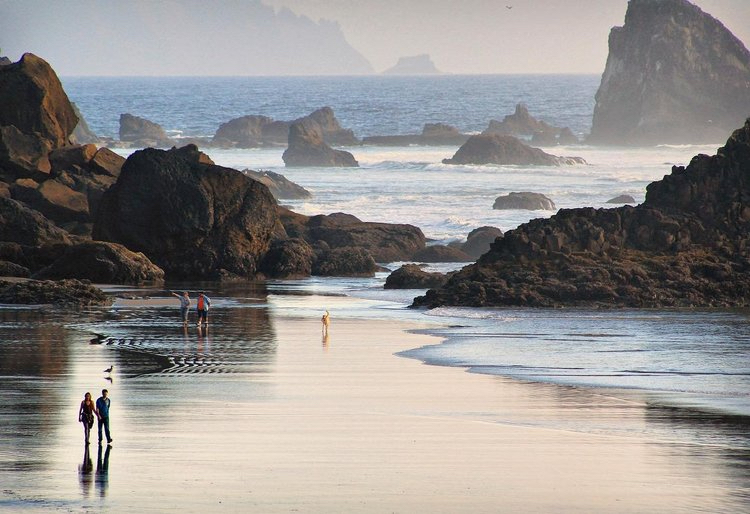
Ecola State Park is among the Pacific Northwest’s defining coastal landscapes. Stretching between Cannon Beach and Seaside, the park combines dense Sitka spruce forests, basalt cliffs, hidden coves, and sweeping Pacific views into one of the country’s most cinematic state park settings. Indian Beach, Crescent Beach, and multiple coastal overlooks frame Haystack Rock and the surrounding headlands beautifully. The park also carries historical significance through its connection to the Lewis and Clark expedition. Visitors consistently return for the atmosphere: moody weather systems, old-growth forest, steep terrain, and constant ocean movement create a distinctly Northwestern experience.
Julia Pfeiffer Burns State Park — Big Sur, California | Northern California
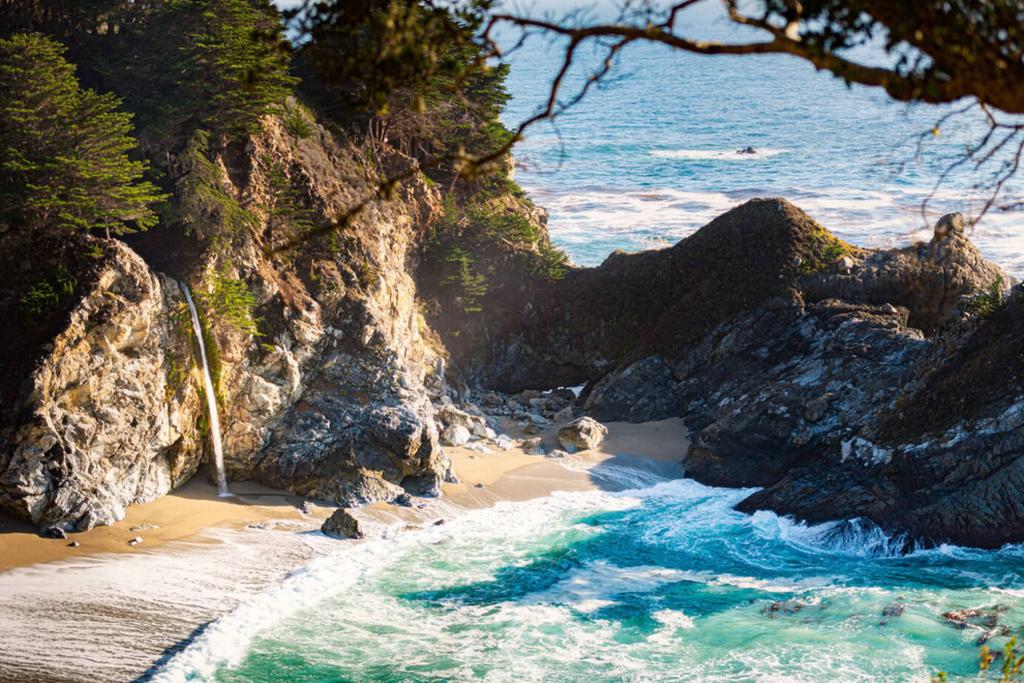
Big Sur may be California’s most iconic meeting point between mountains and ocean, and Julia Pfeiffer Burns State Park captures that relationship perfectly. Located along Highway 1 south of Monterey, the park is best known for McWay Falls, an 80-foot waterfall that empties directly toward the Pacific. Beyond the famous overlook, steep coastal mountains, redwood groves, and rugged cliffs define the broader landscape. Architectural enthusiasts and luxury travelers have long gravitated toward Big Sur because of its integration of design, ecology, and scenery. The park’s restrained infrastructure preserves the raw quality of the coastline while still offering accessible viewpoints and trails.
Crystal Cove State Park — Laguna Beach, California | Southern California
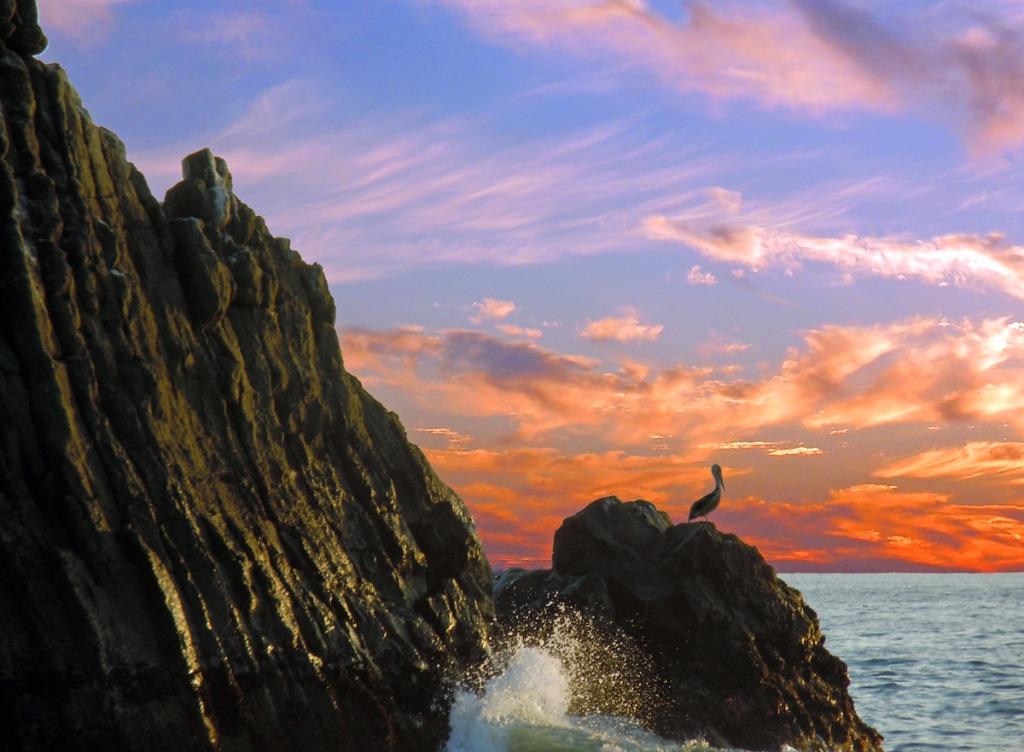
Crystal Cove State Park offers a more refined Southern California interpretation of coastal mountain terrain. Located between Laguna Beach and Newport Beach, the park features coastal bluffs, backcountry canyons, preserved beaches, and one of the region’s most architecturally distinctive collections of vintage seaside cottages. The park’s trail network rises quickly into the hills above the Pacific. As a result, hikers have broad ocean views while remaining minutes from Orange County’s residential enclaves and luxury coastal communities. Crystal Cove appeals to travelers who appreciate both outdoor recreation and thoughtful coastal preservation, particularly in a region known for intense development pressure.
Harriman State Park — Hudson Valley, New York | Mid-Atlantic
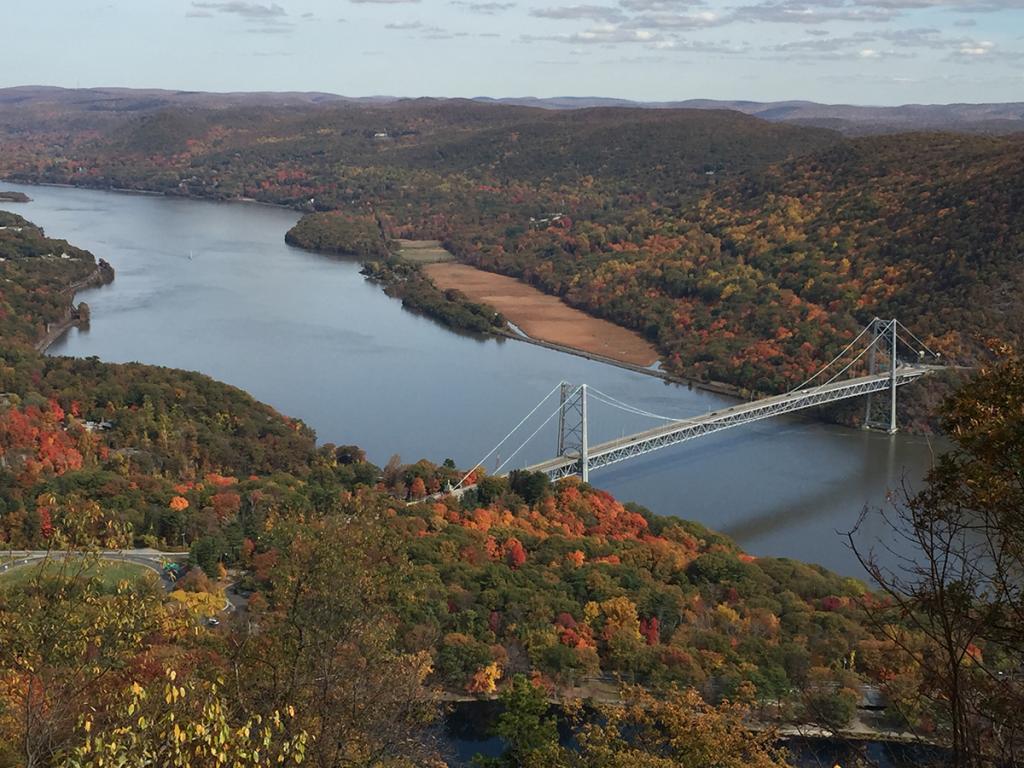
North of New York City, Harriman State Park delivers a compelling version of the mountain-and-water pairing through the Hudson Highlands. While technically riverfront rather than oceanfront, the tidal Hudson behaves more like a coastal estuary in this stretch. This creates expansive water views framed by steep ridges and forested peaks. Bear Mountain, Perkins Memorial Tower, and the Appalachian Trail corridor attract hikers, cyclists, and design-conscious weekend travelers escaping Manhattan and the surrounding suburbs. The park’s stone bridges, scenic drives, and historic lodges contribute to its enduring popularity. It remains one of the Northeast’s most accessible large-scale landscapes where elevation, water, and architectural character intersect naturally.
Fort Wetherill State Park — Jamestown, Rhode Island | Upper East
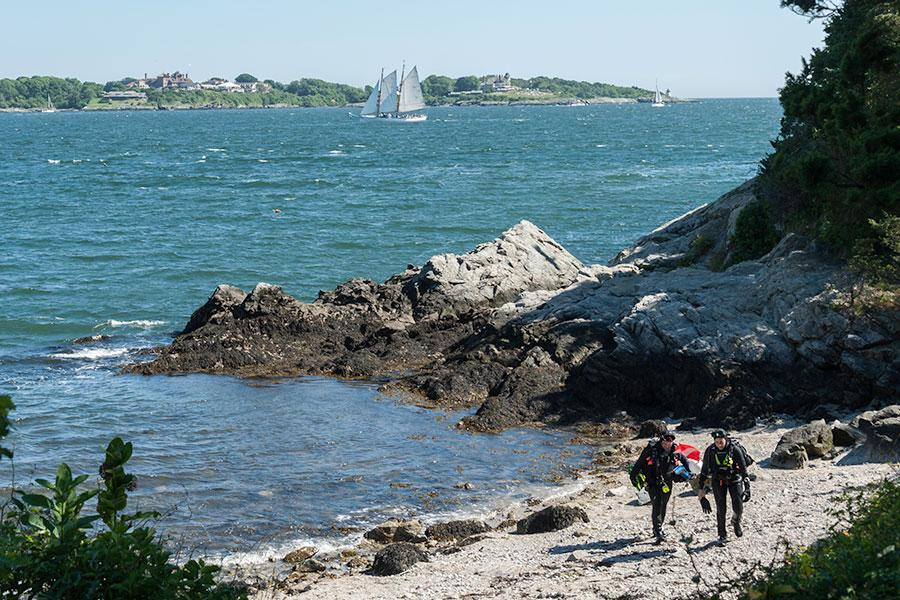
Perched on the rocky coastline of Conanicut Island in Jamestown, Fort Wetherill State Park offers one of New England’s most dramatic combinations of coastal cliffs, elevated terrain, and Atlantic views. Overlooking the entrance to Narragansett Bay across from Newport, the park is defined by rugged granite shorelines, steep bluffs, and the remains of historic military fortifications dating back to the late 19th and early 20th centuries.
Unlike the softer sandy beaches associated with much of the Northeast coastline, Fort Wetherill feels distinctly geological and architectural, with angular rock formations descending sharply into deep blue water. The park has become especially popular for scenic hiking, photography, kayaking, scuba diving, and panoramic sunset views over the bay. Its elevated vantage points create a striking sense of scale rarely found in smaller coastal state parks. For visitors accustomed to both mountain retreats and refined coastal communities, Fort Wetherill delivers a uniquely New England blend of maritime history, rugged terrain, and understated sophistication.
The enduring appeal of these parks comes from their layered geography. Mountains create scale and perspective; oceans introduce movement, climate, and light. Together, they produce landscapes that feel immersive rather than singular. Whether along Maine’s granite coast, Oregon’s forested headlands, or California’s dramatic Pacific cliffs, these destinations attract visitors who value scenery with dimension and permanence. For homeowners and travelers already drawn to both mountain retreats and coastal living, they represent some of the most complete and visually rewarding public landscapes in the United States. For more on living your best mountain life, visit Mountain Homes Lifestyles.